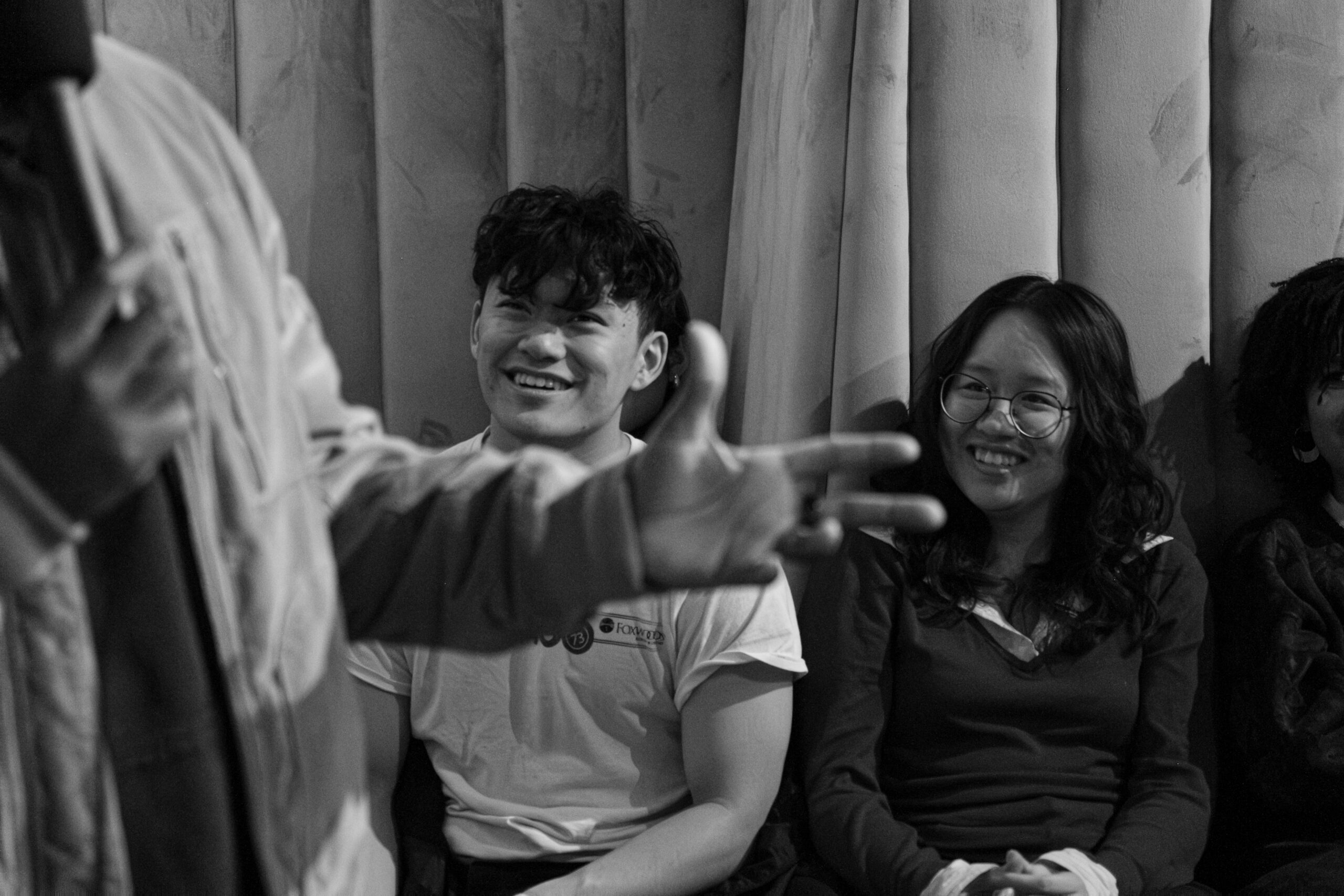
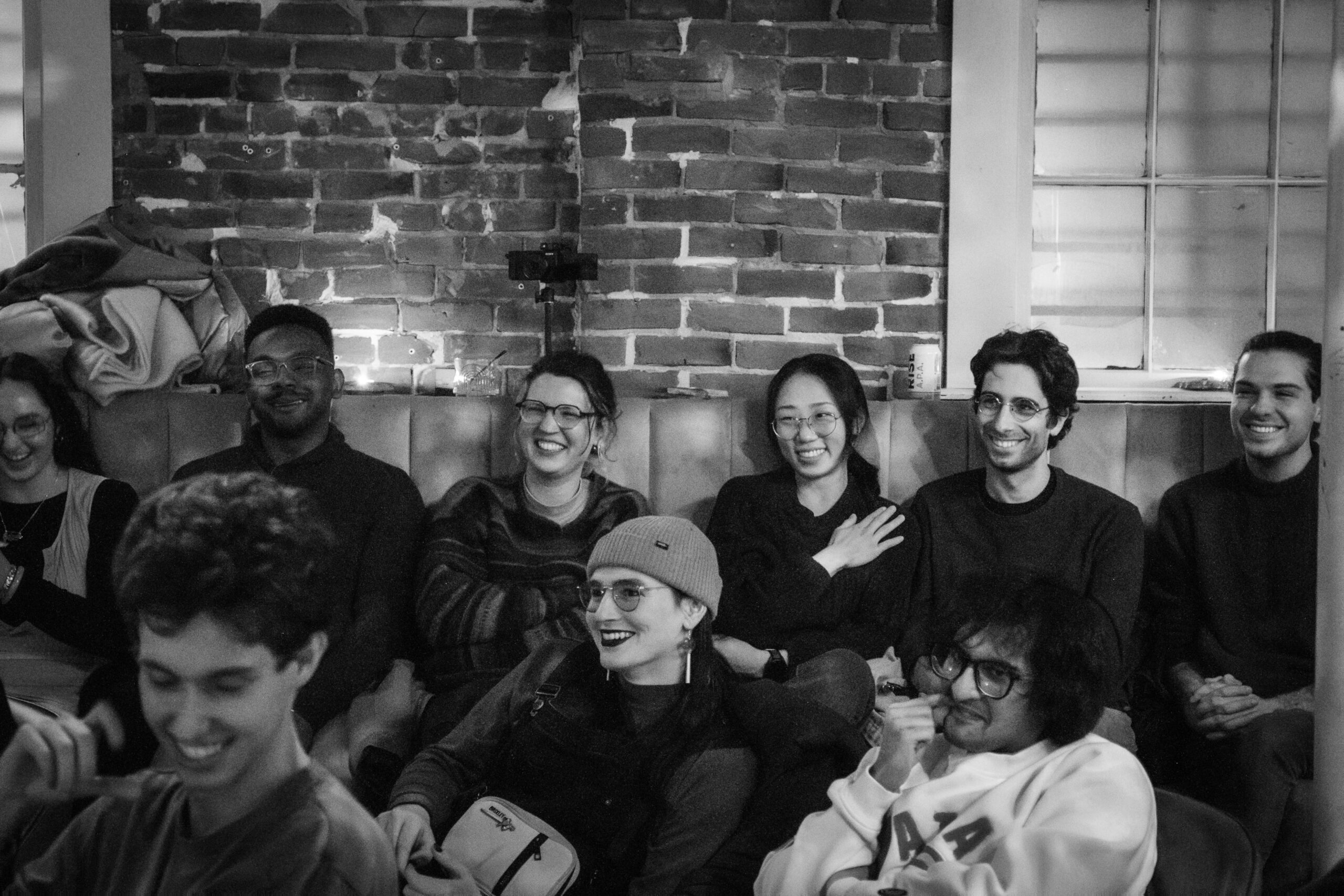
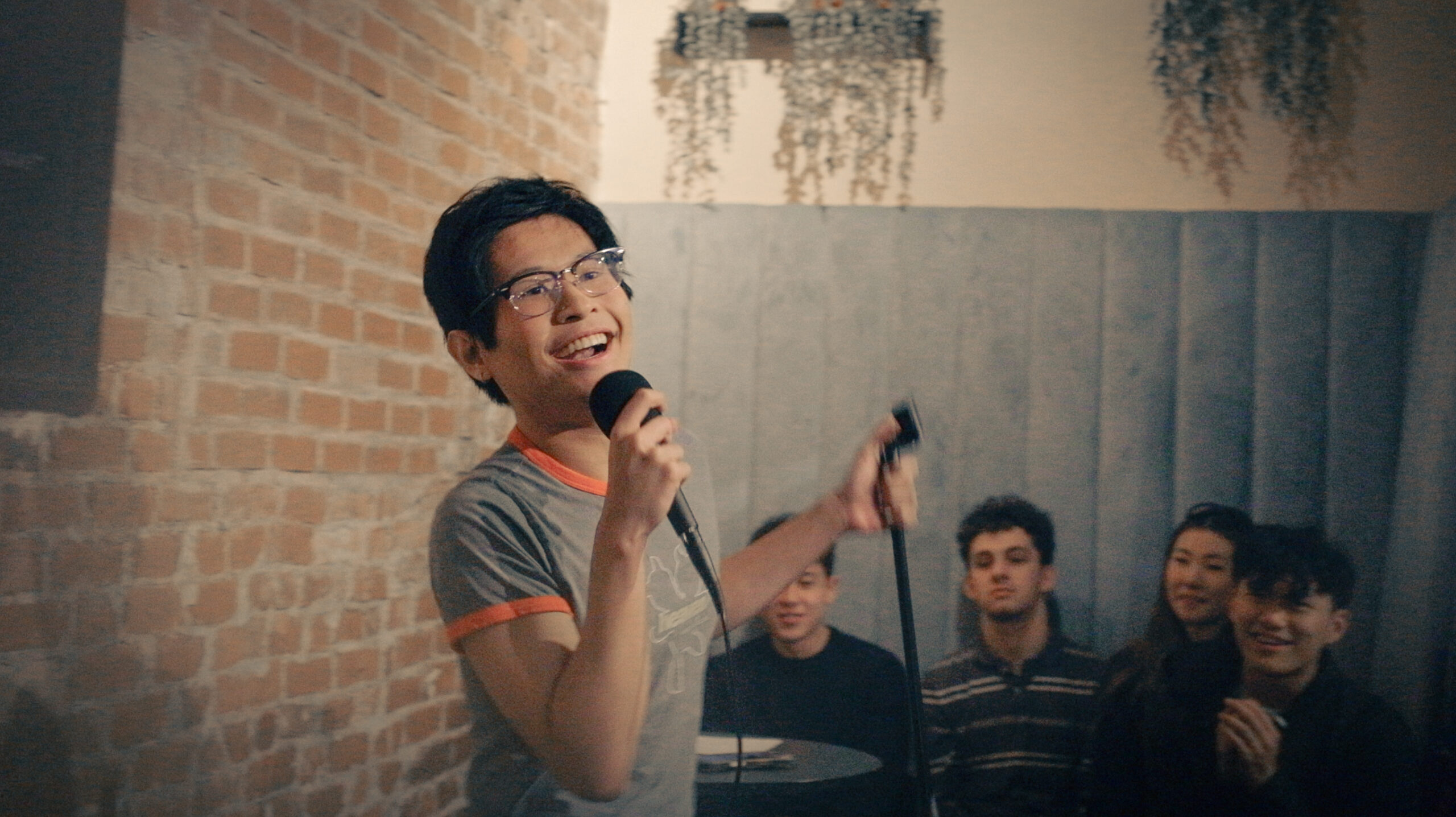
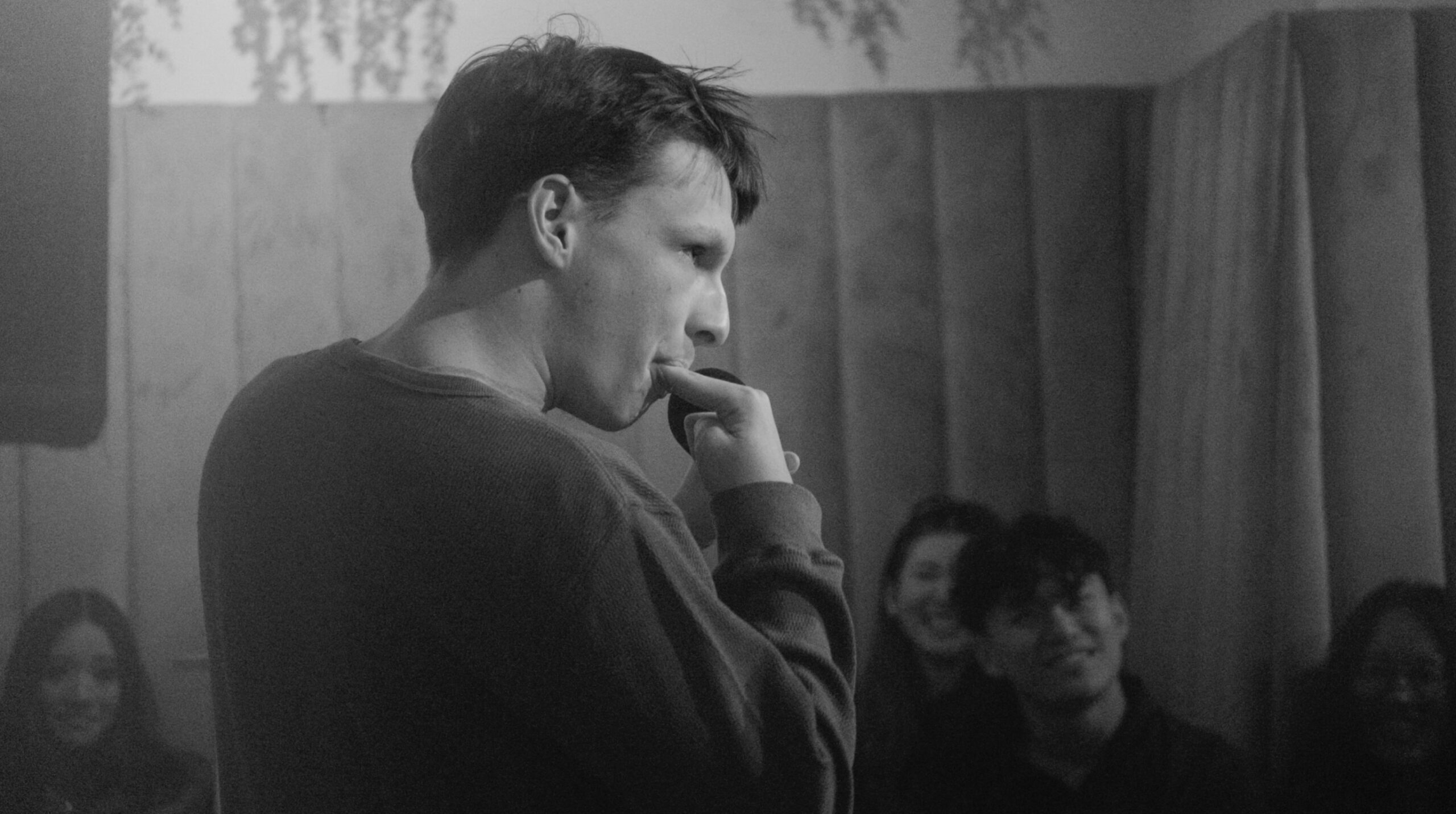
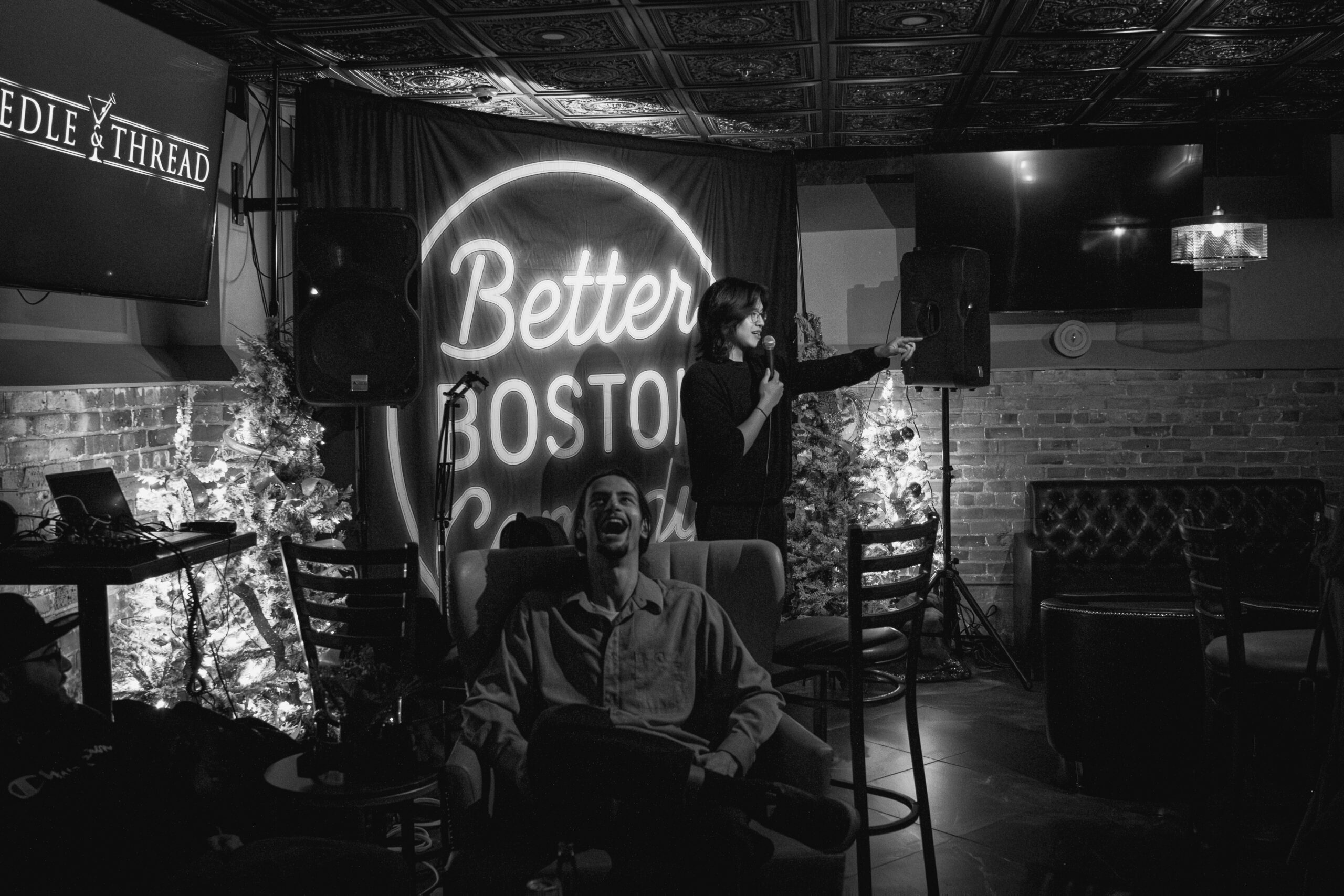
After hiding it for so long, my best friend Jacob came out to me as a stand-up comedian. He had been performing in secret for almost a year at that point. After watching his first show, I eagerly asked to watch more and eventually that led to me taking photos at his comedy shows and open mics across Providence for several months.
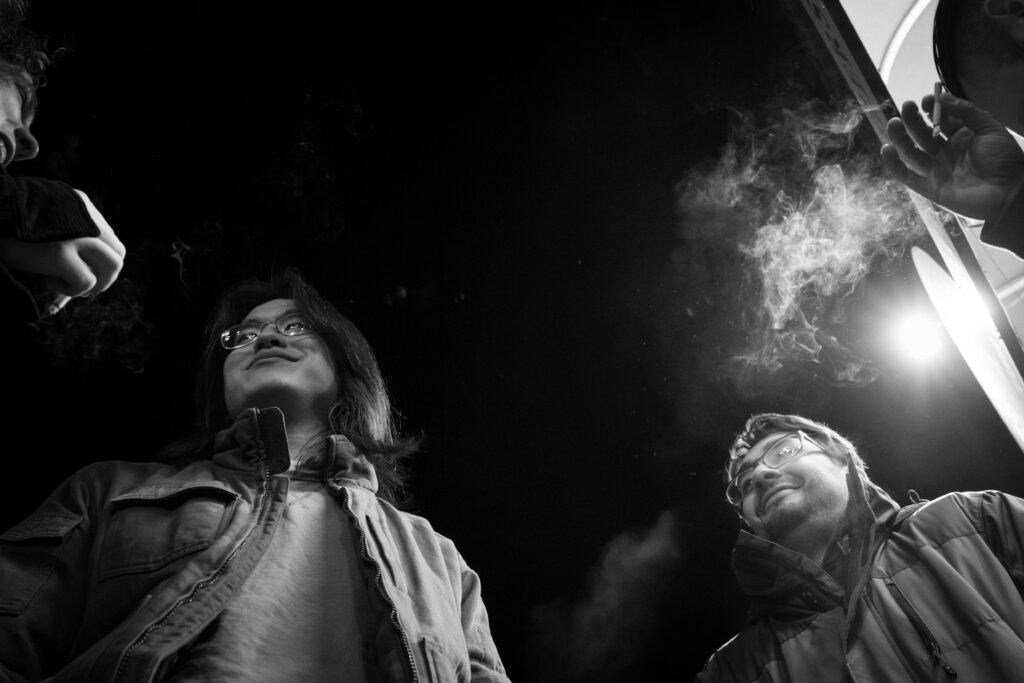
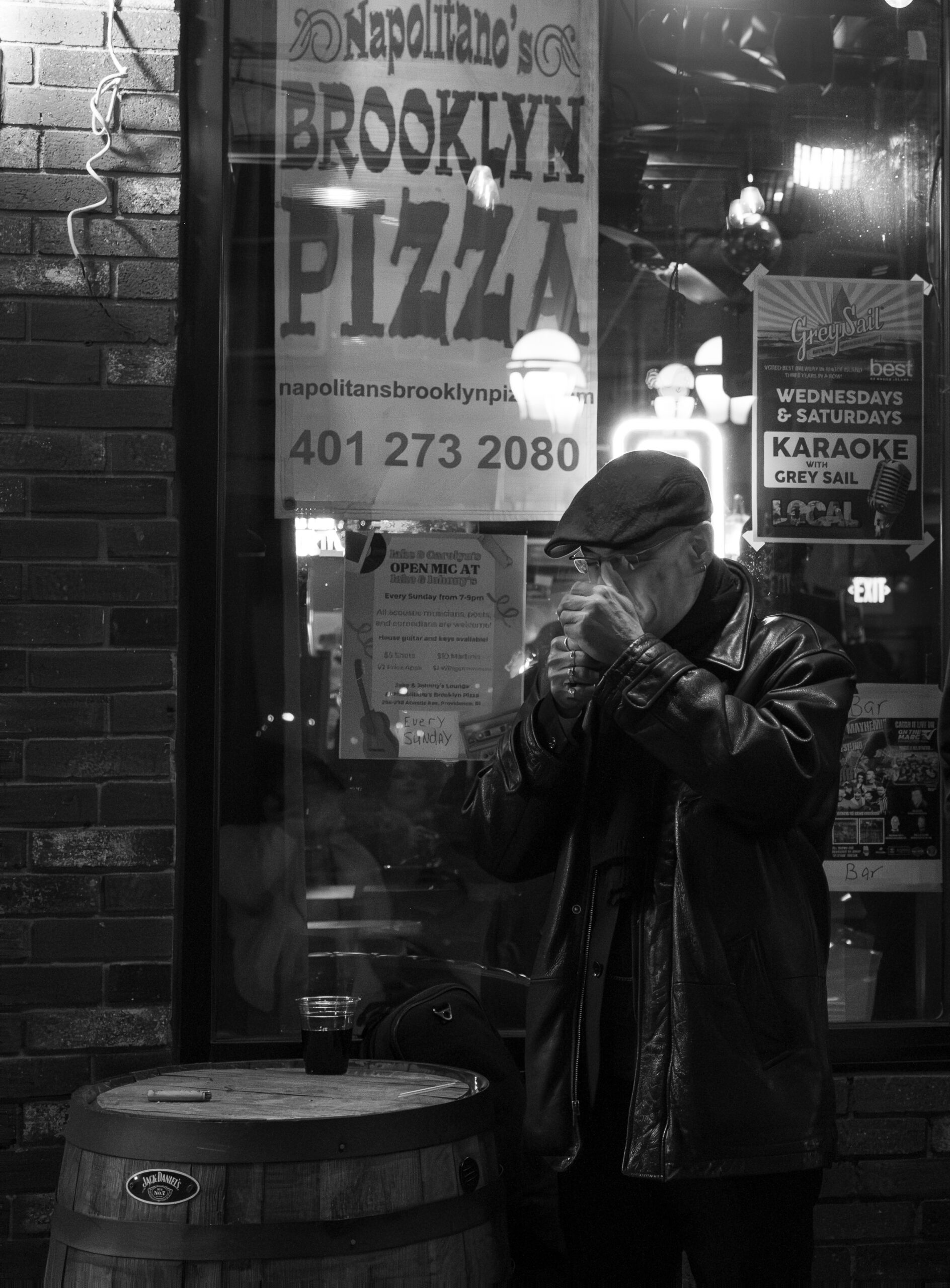
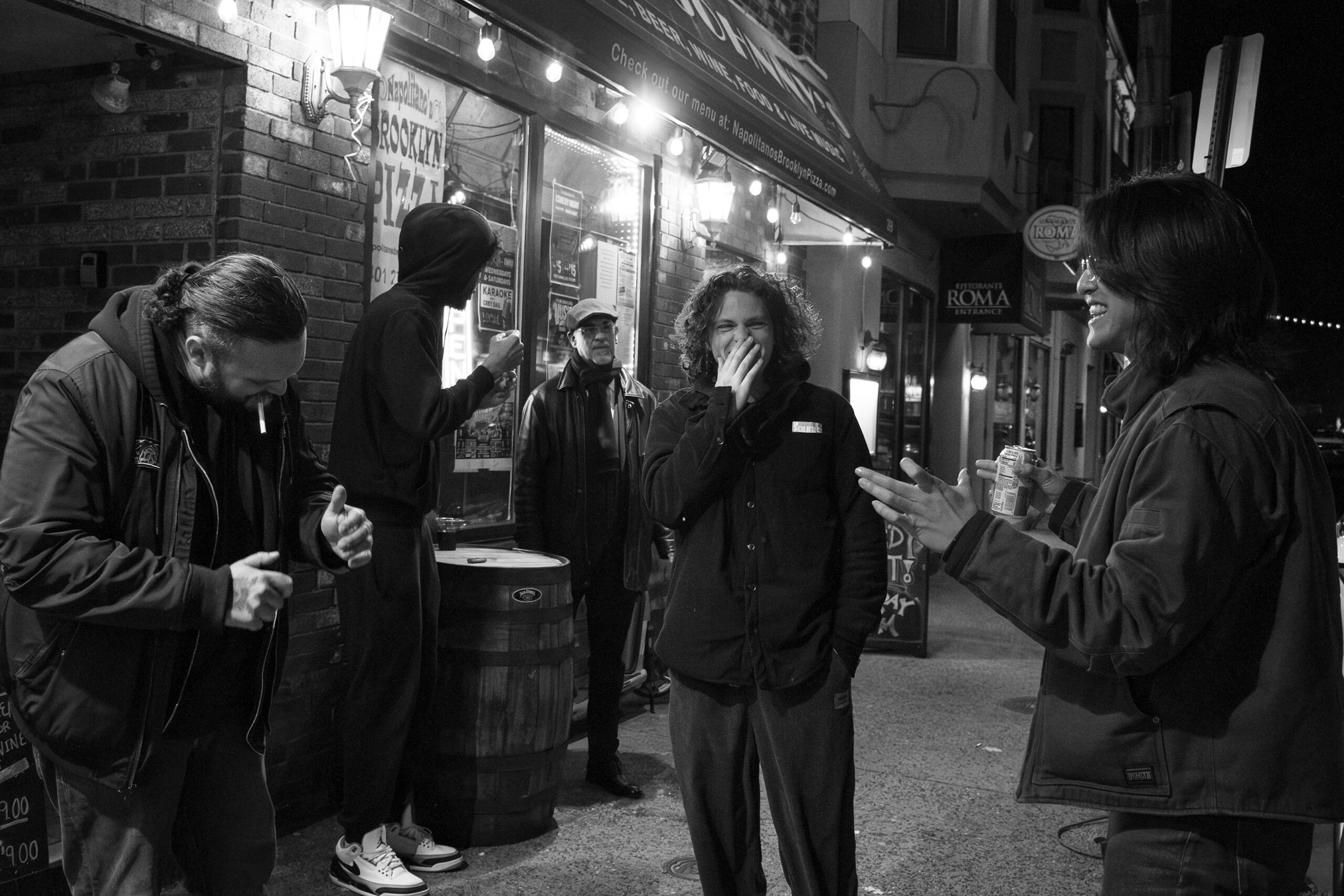
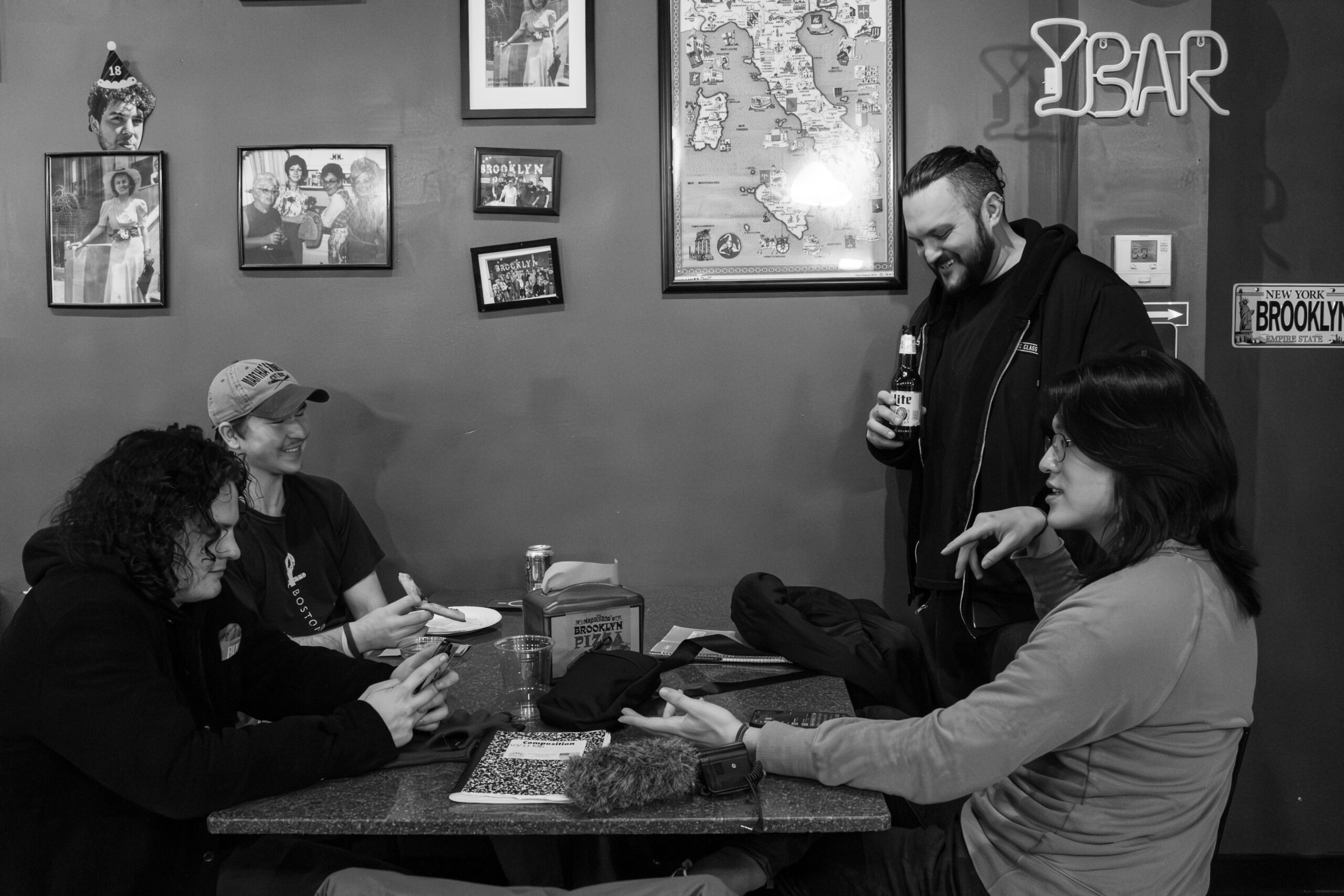
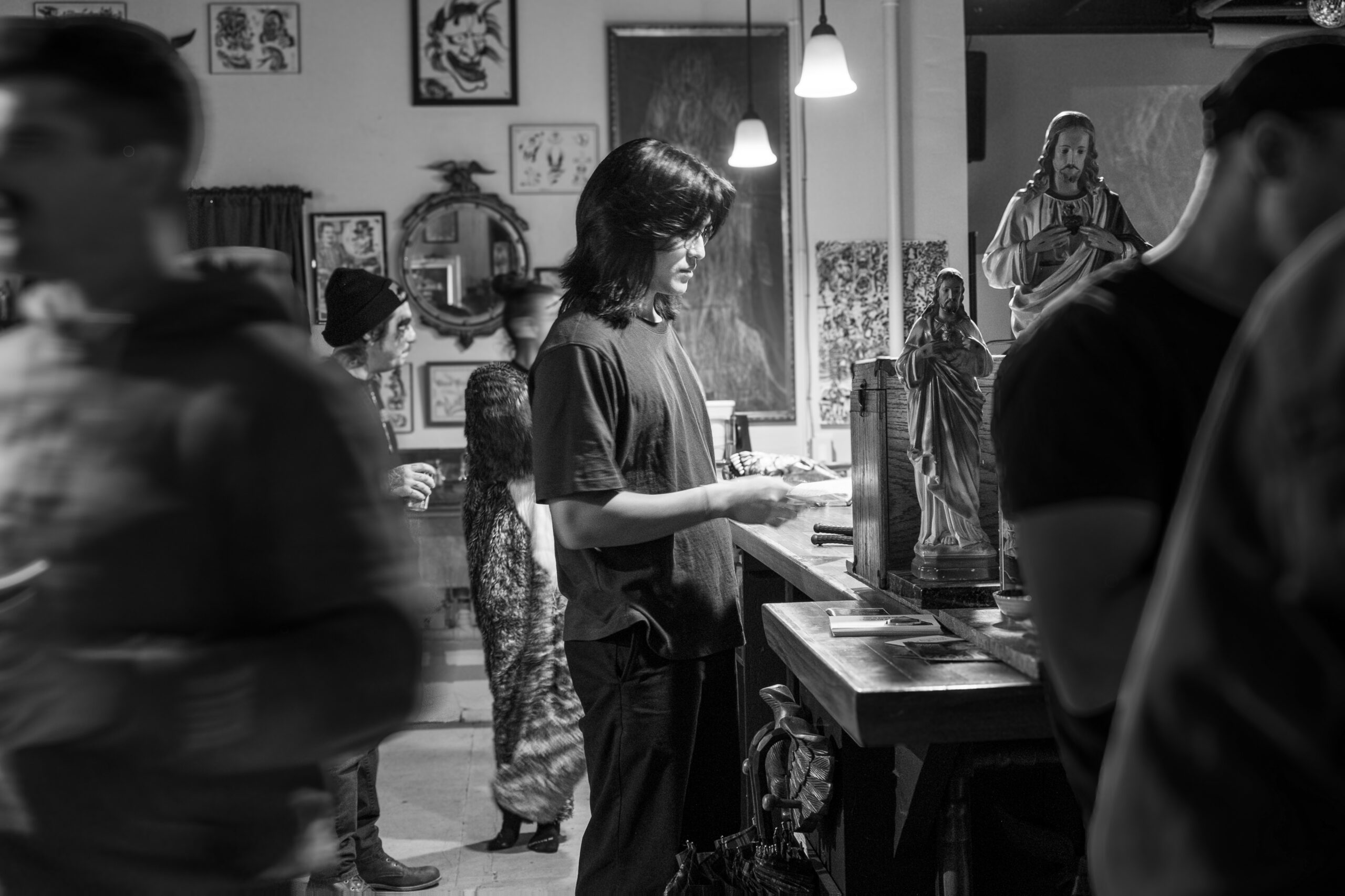
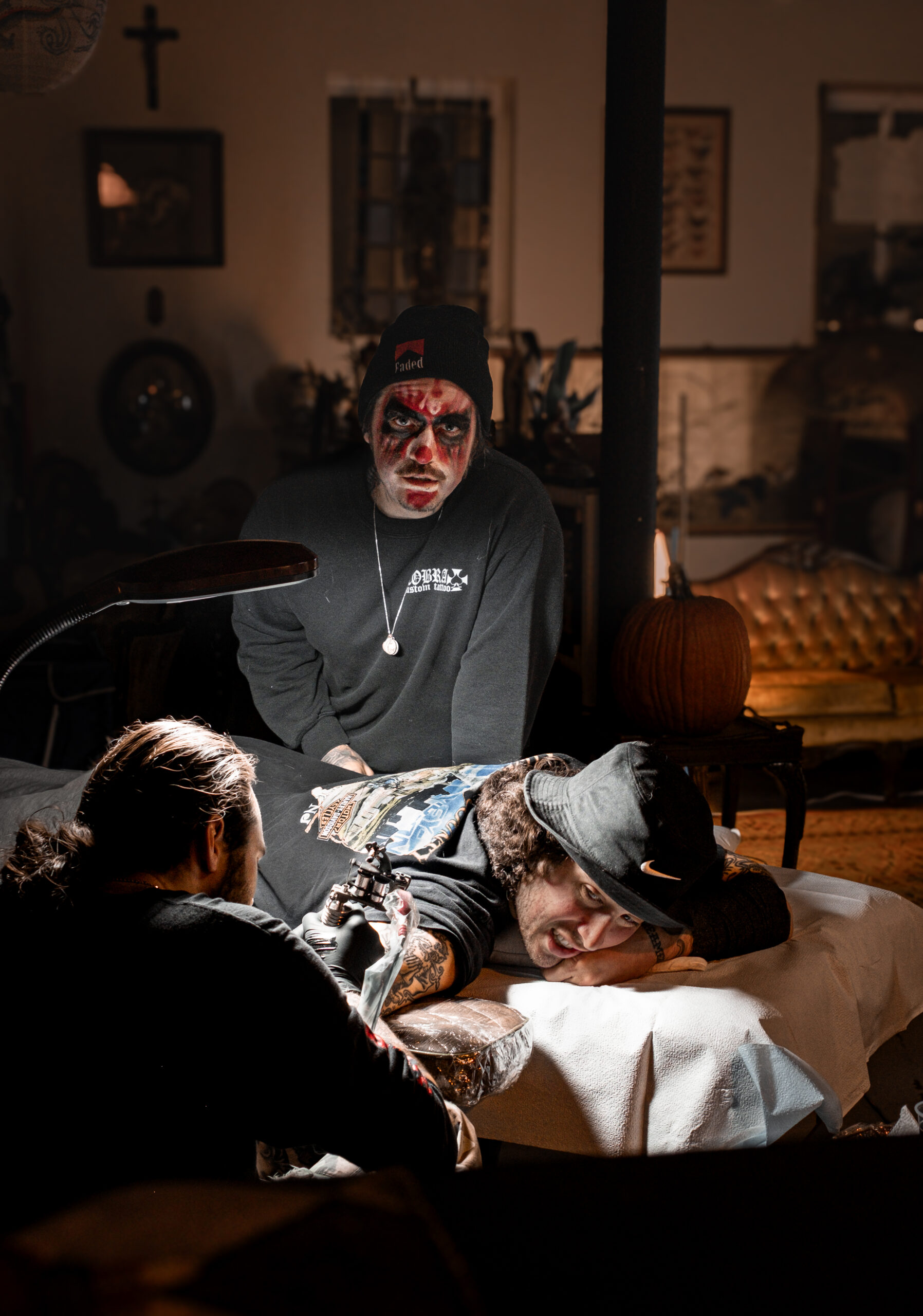
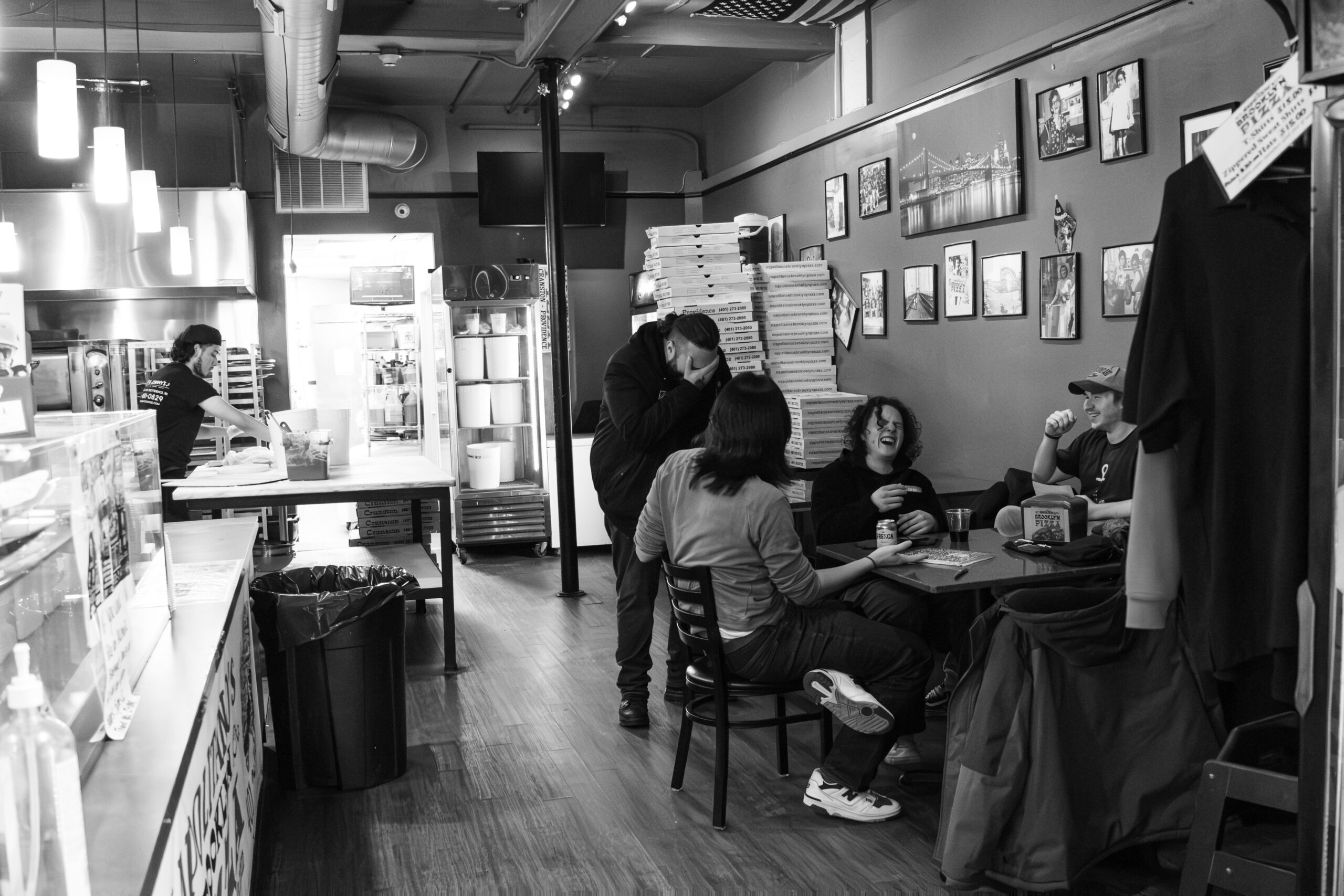
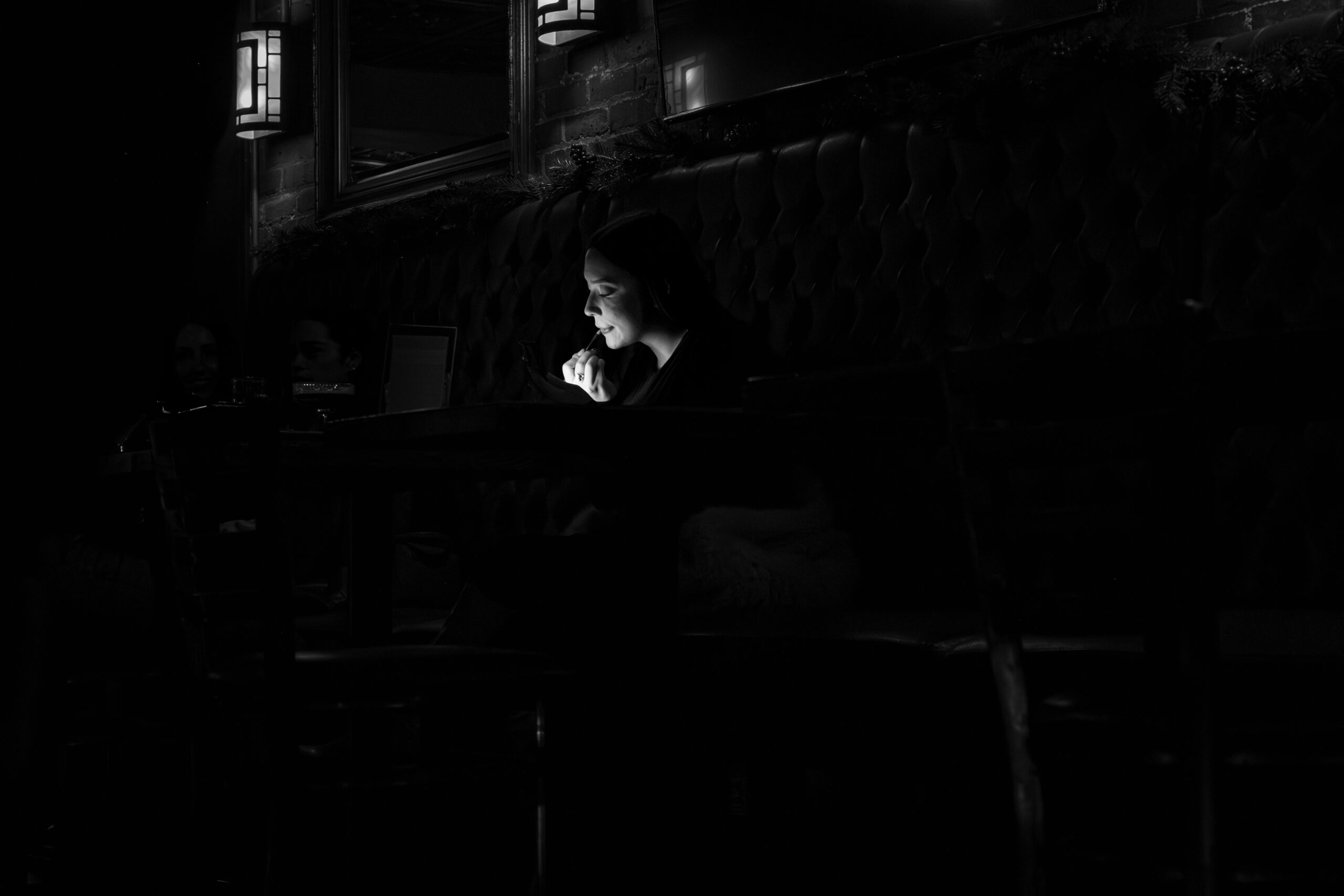
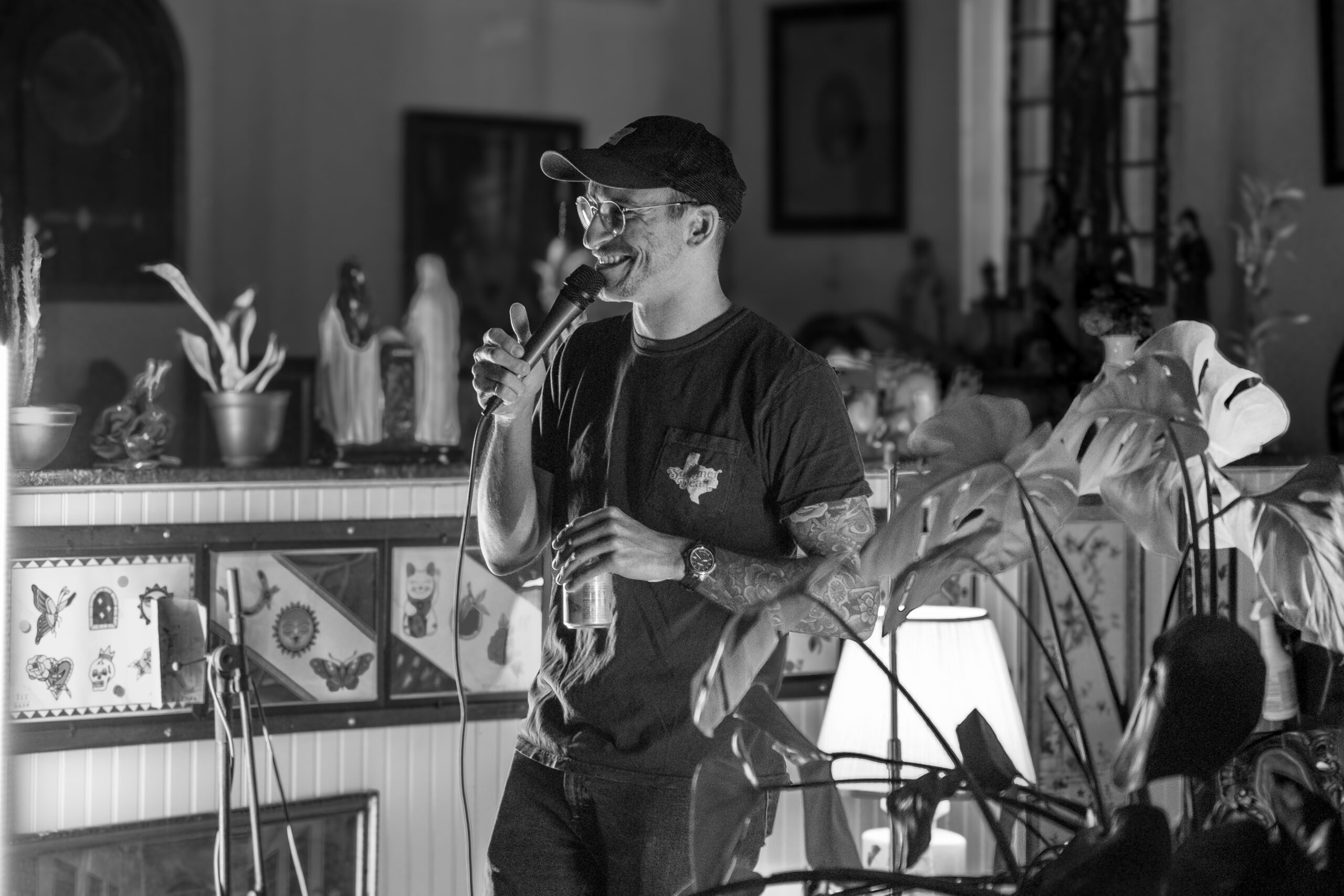
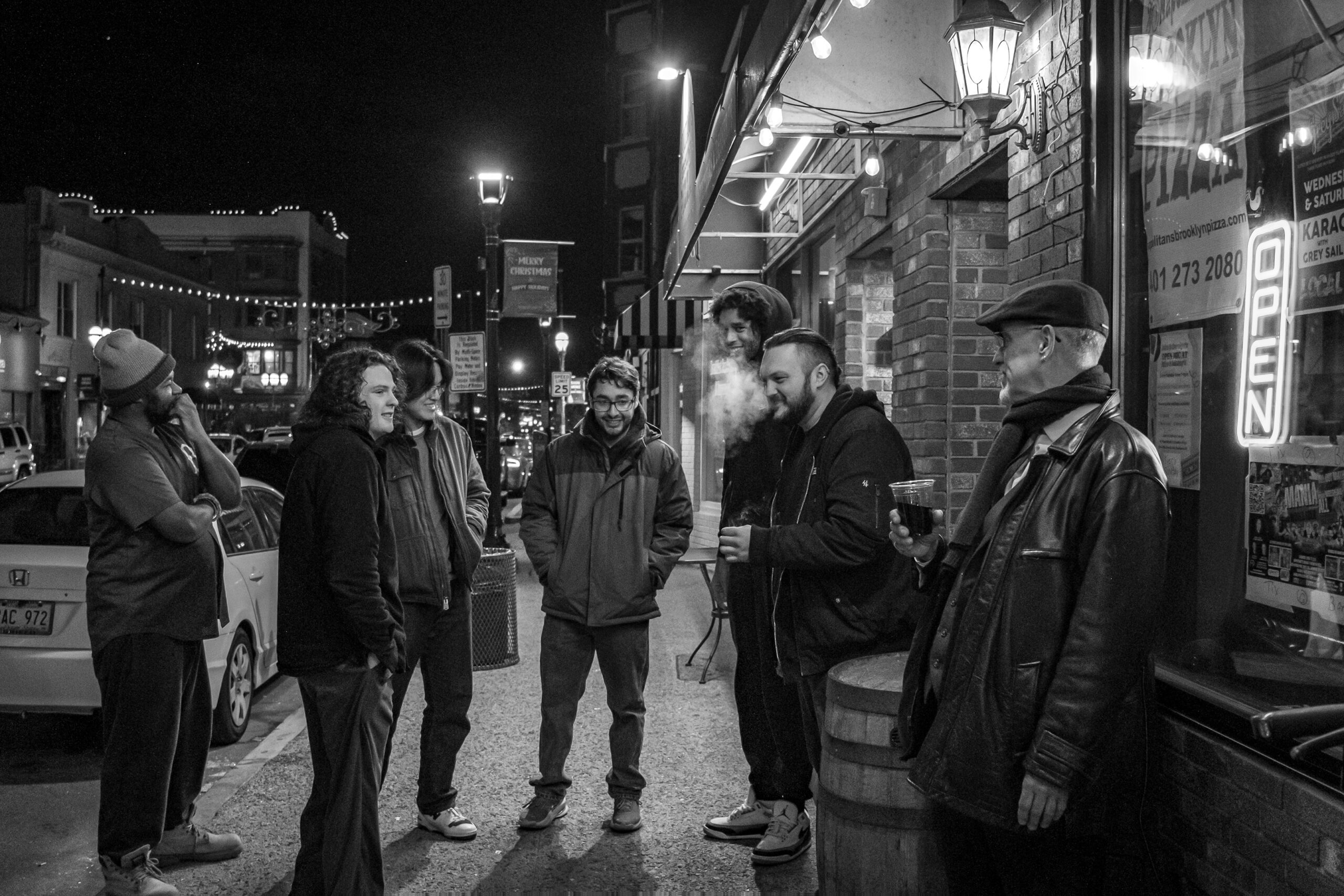
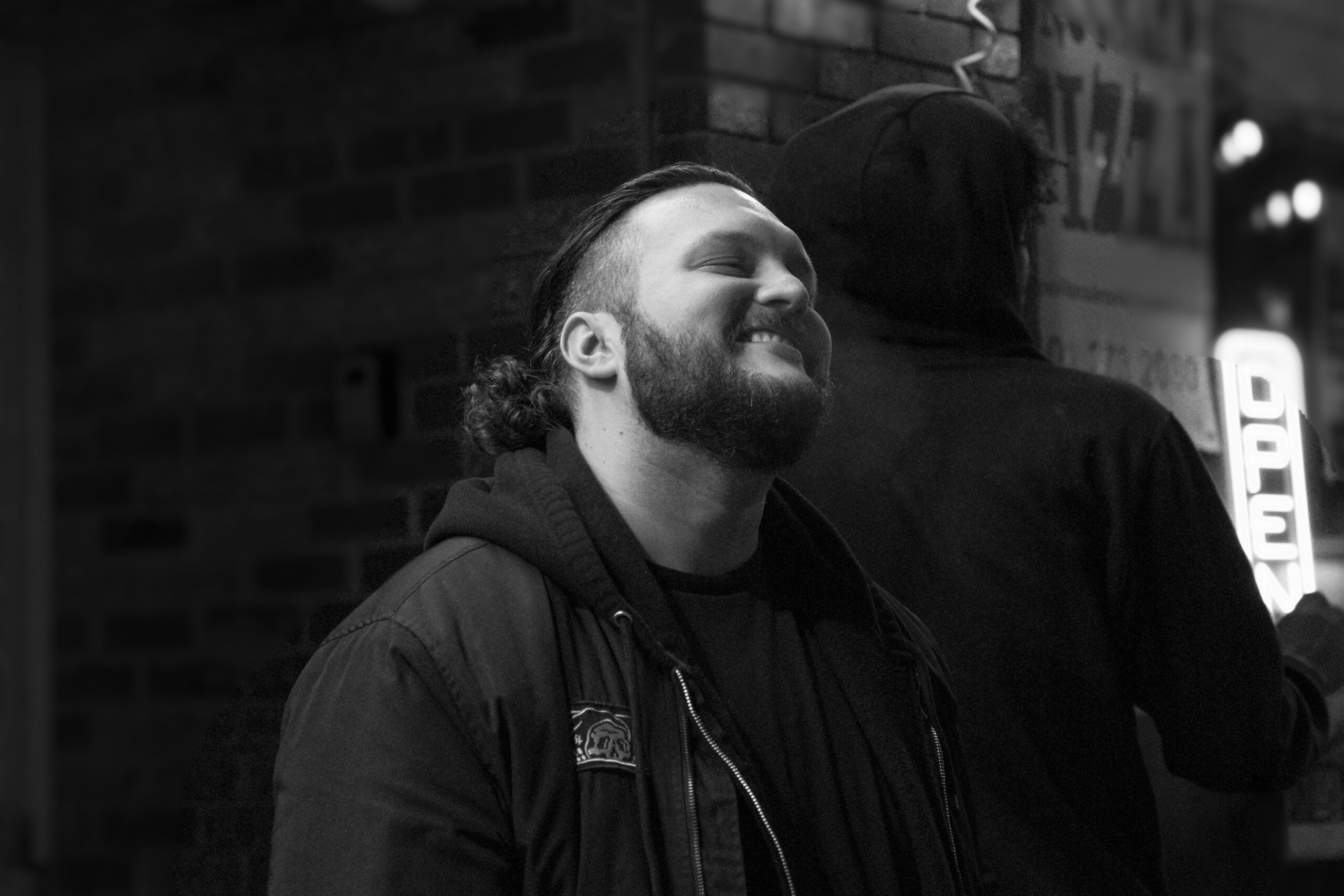
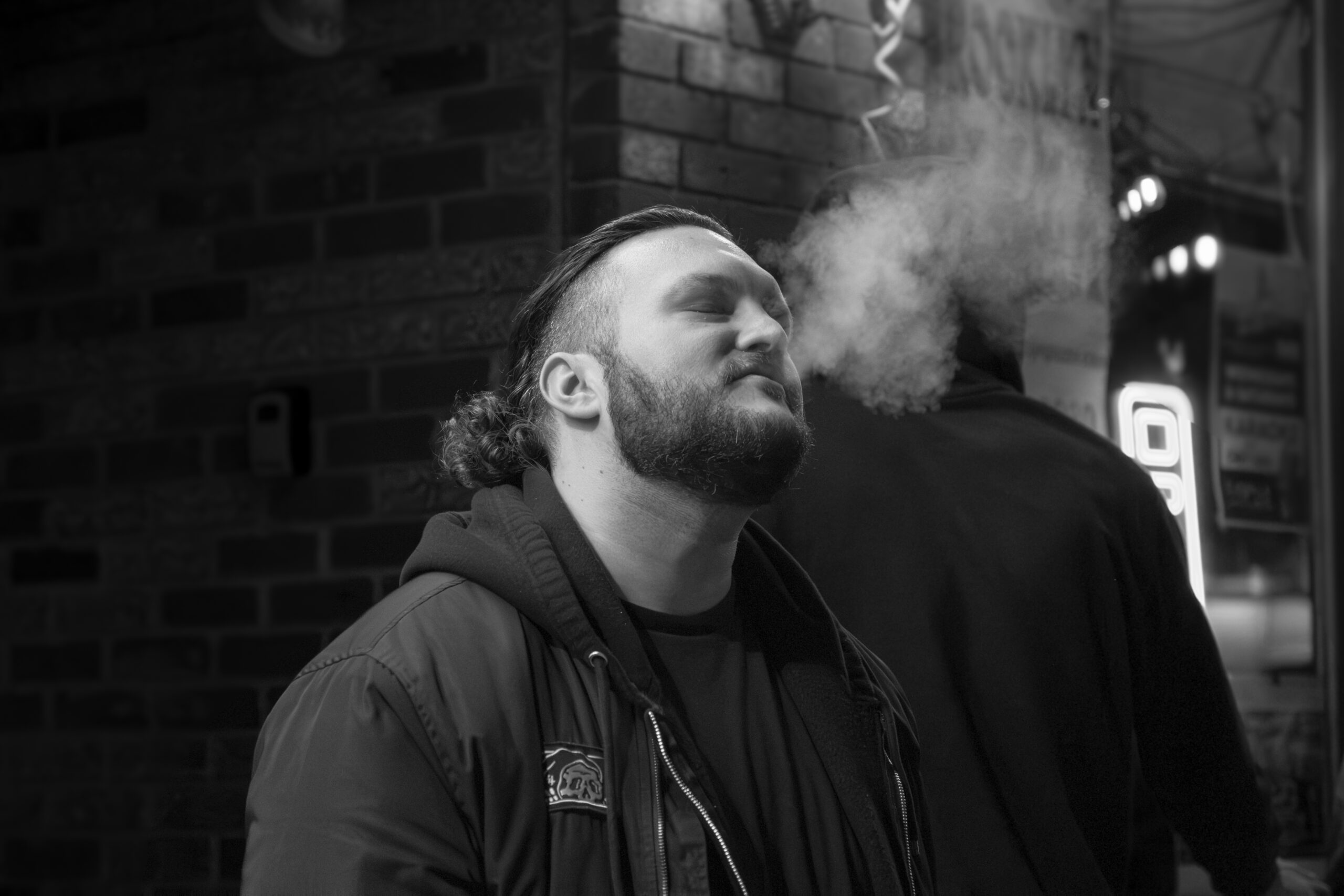
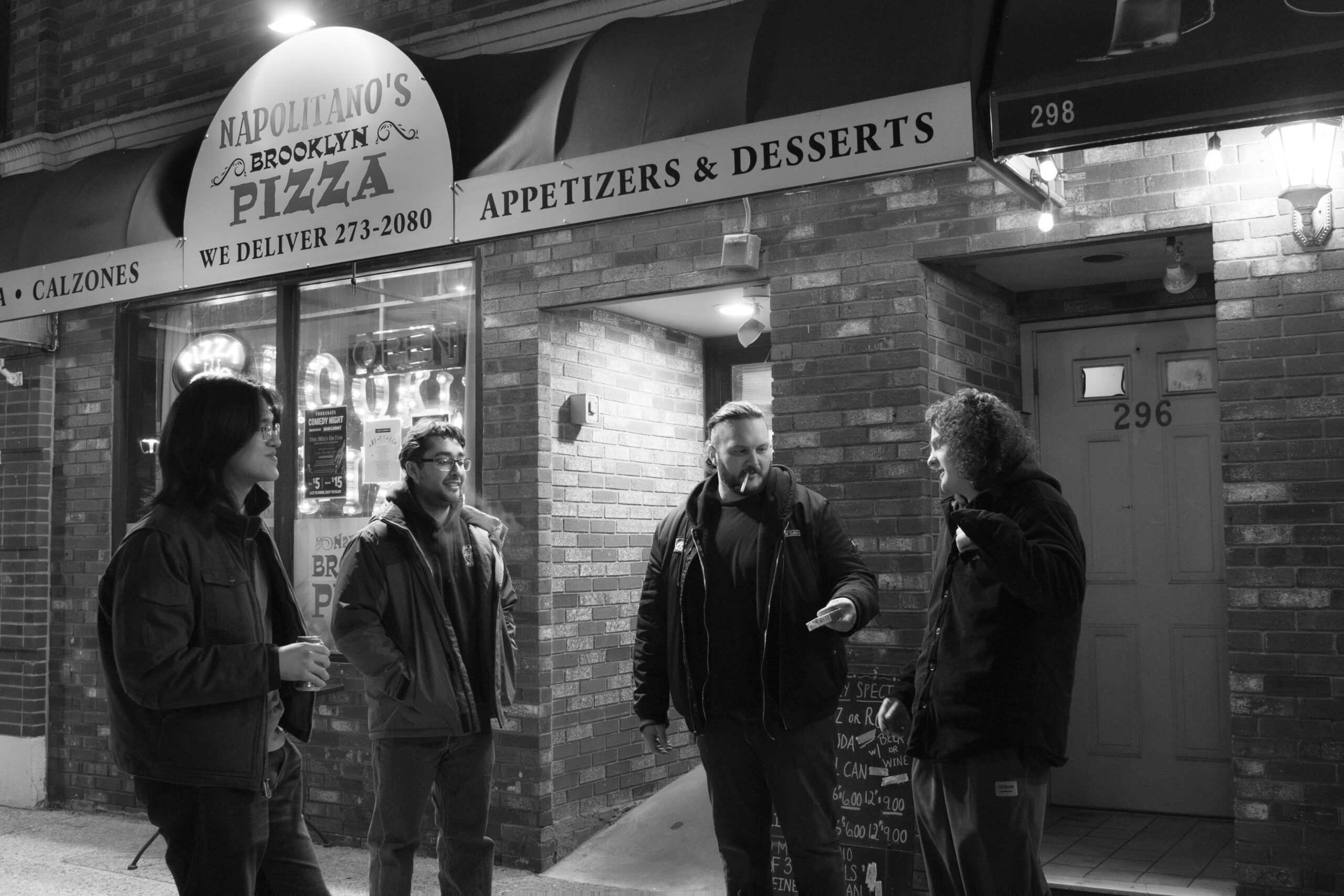
The shows happened in pizza shops on Federal Hill, tattoo parlors in Olneyville, and cocktail bars hosting Ladies’ Night in the center of downtown. In this series, you will see a small progression of how a show ran. It began with comedians milling around before the mic started — cigarettes in hand, drinks to steady their nerves as they chatted in small clusters. Many were regulars who exchanged easy banter with the other regulars, but very few were quite friends. They preferred to remain as just performers orbiting the same late-night universe.
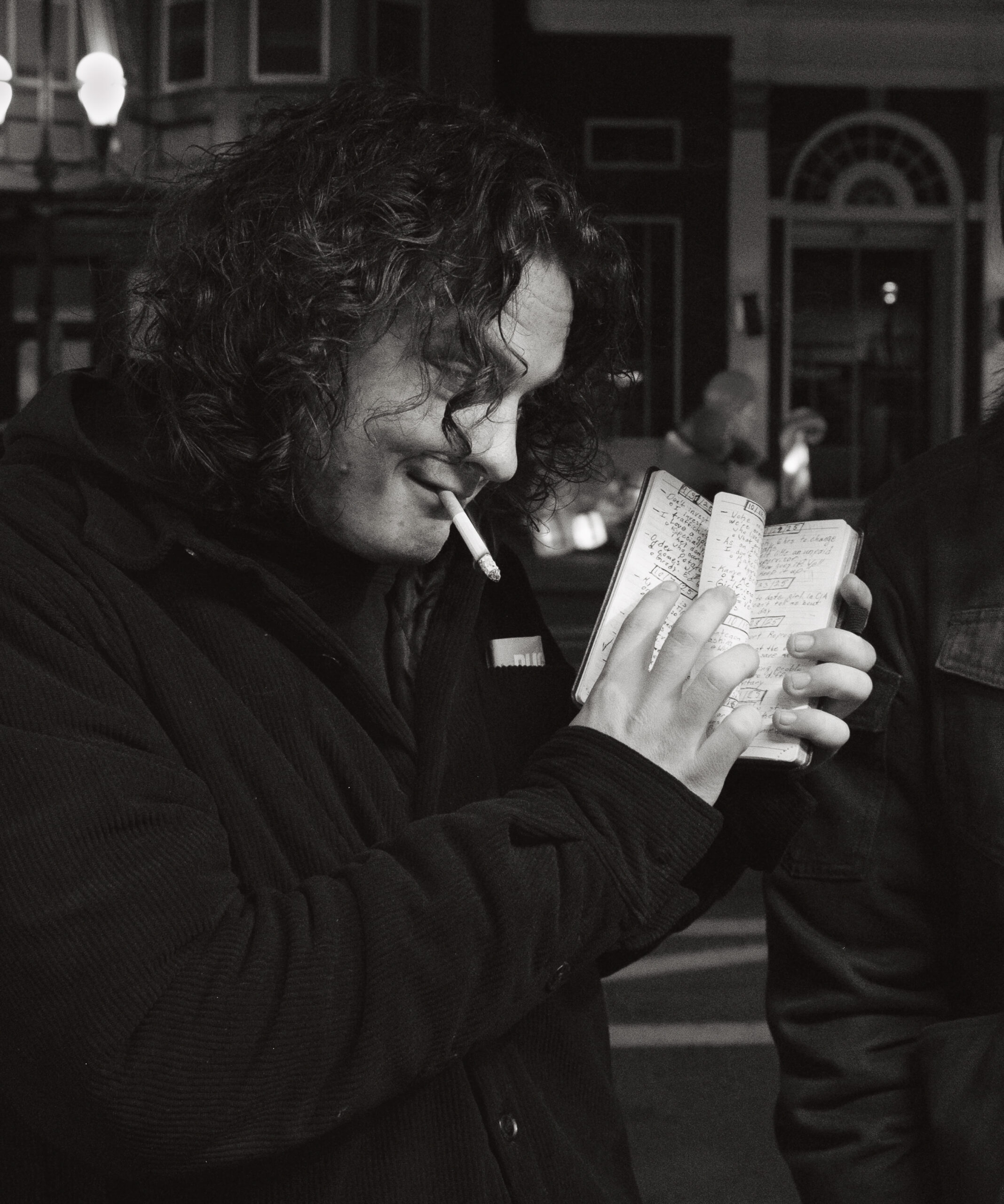
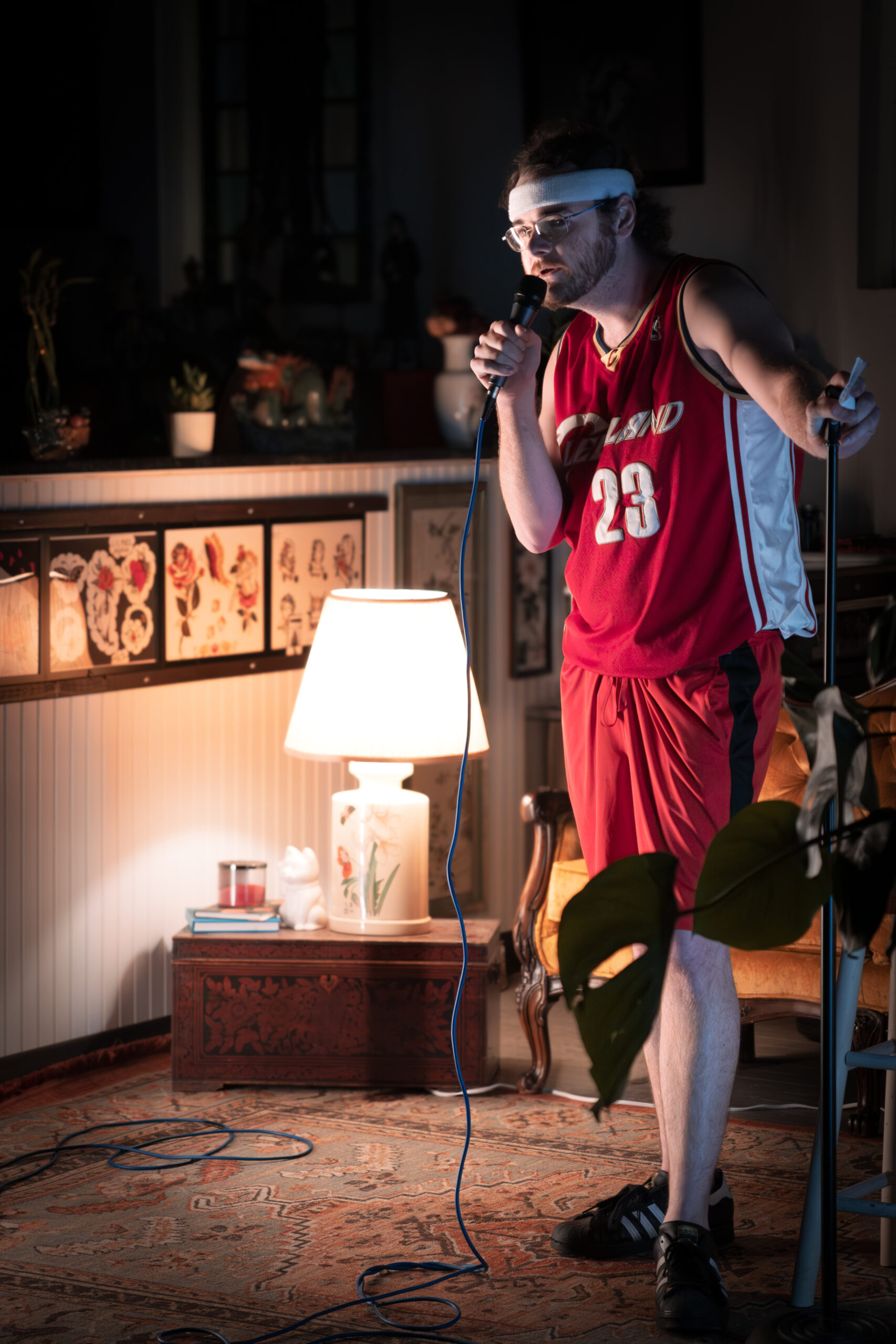
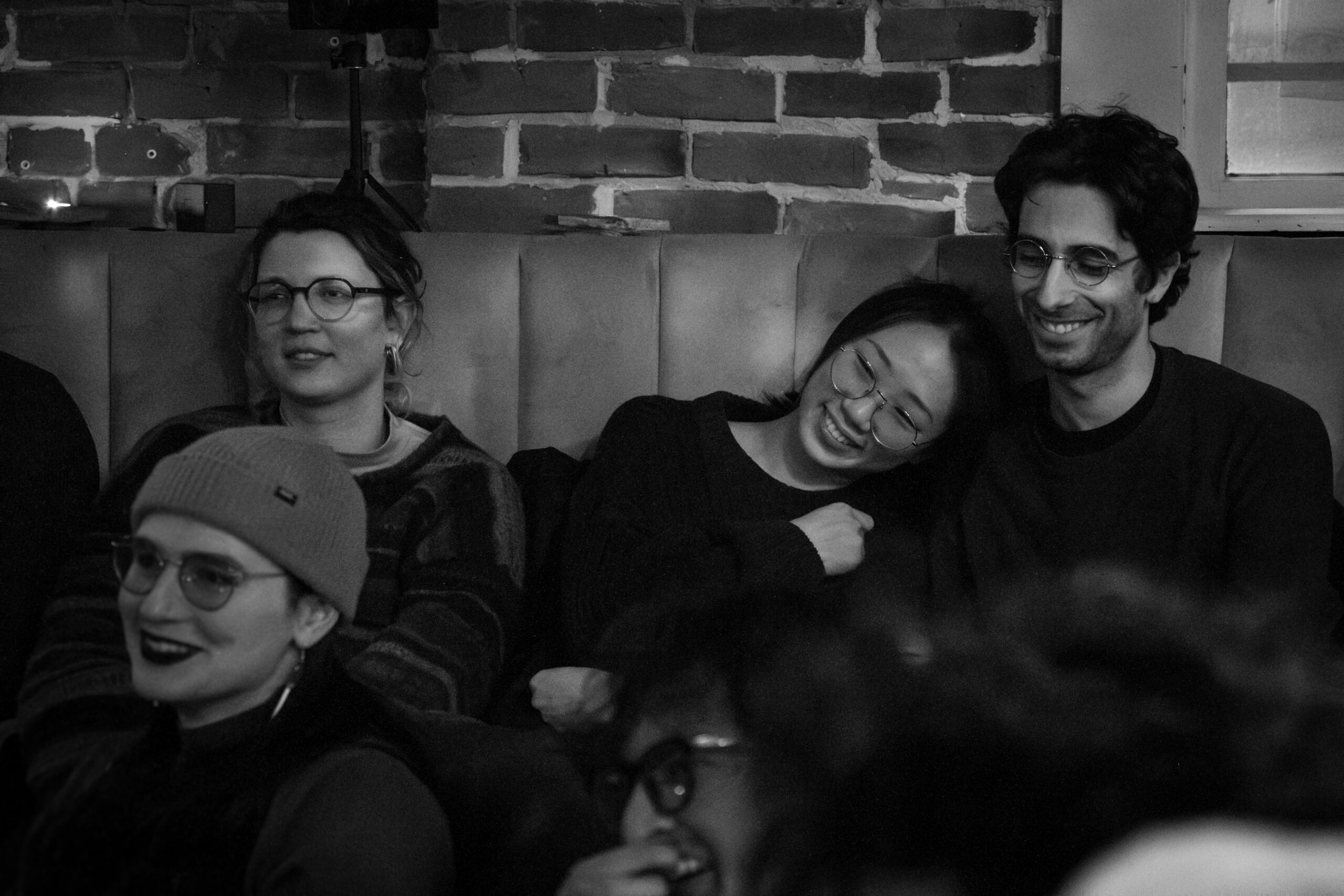
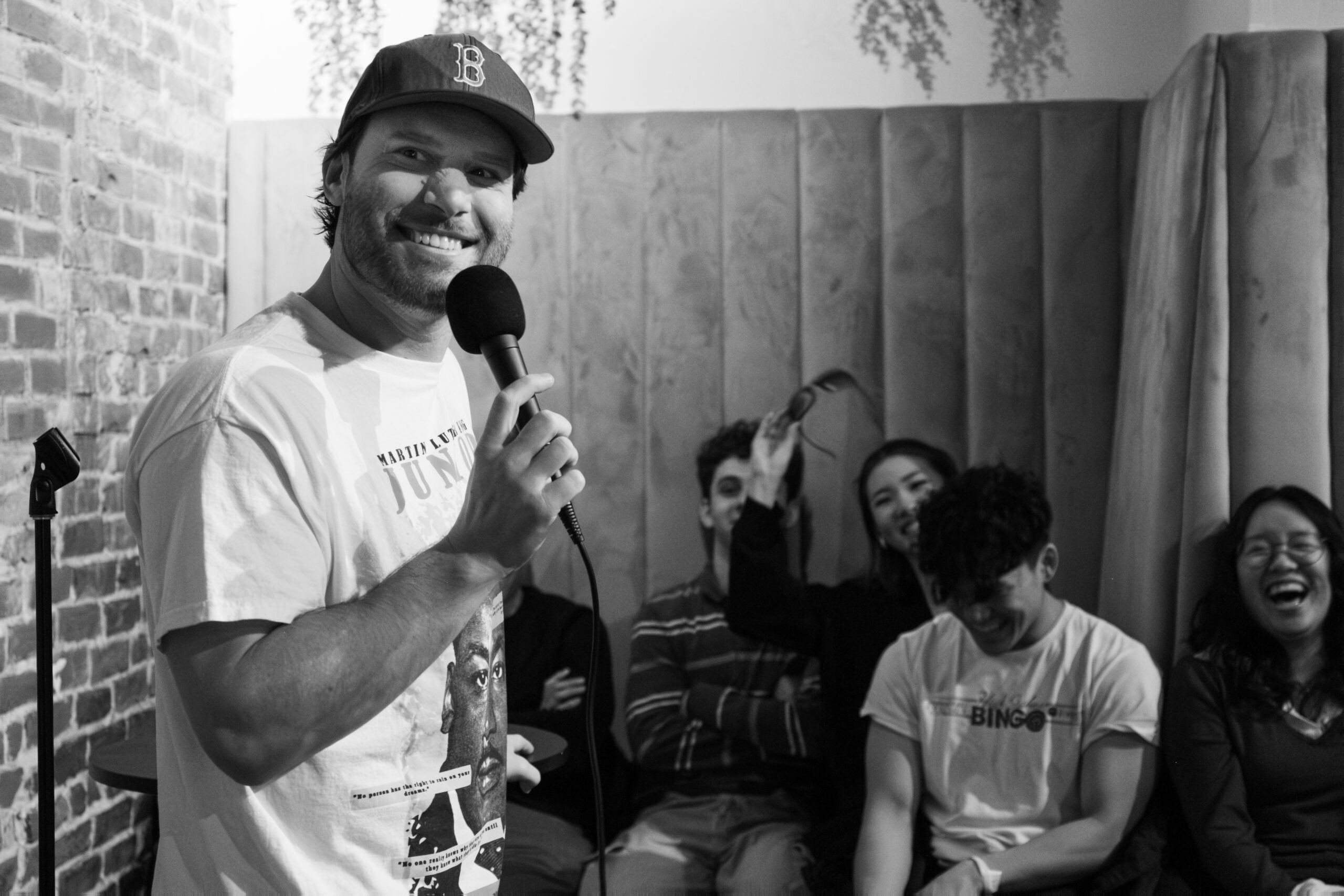
Leading up closer to show time, they’d steal a quiet moment to review their sets, scribbling last-minute edits into battered notebooks or their Notes app. At open mics, each comedian had five minutes — for actual shows, the headliners could perform up to 30 minutes. Once the mic began, the room filled frequently with confessions about exes, sex lives, existential spirals, and insecurities. Audience members who were eager to become part of the bit would chime in unannounced or take the bait of a wandering question.
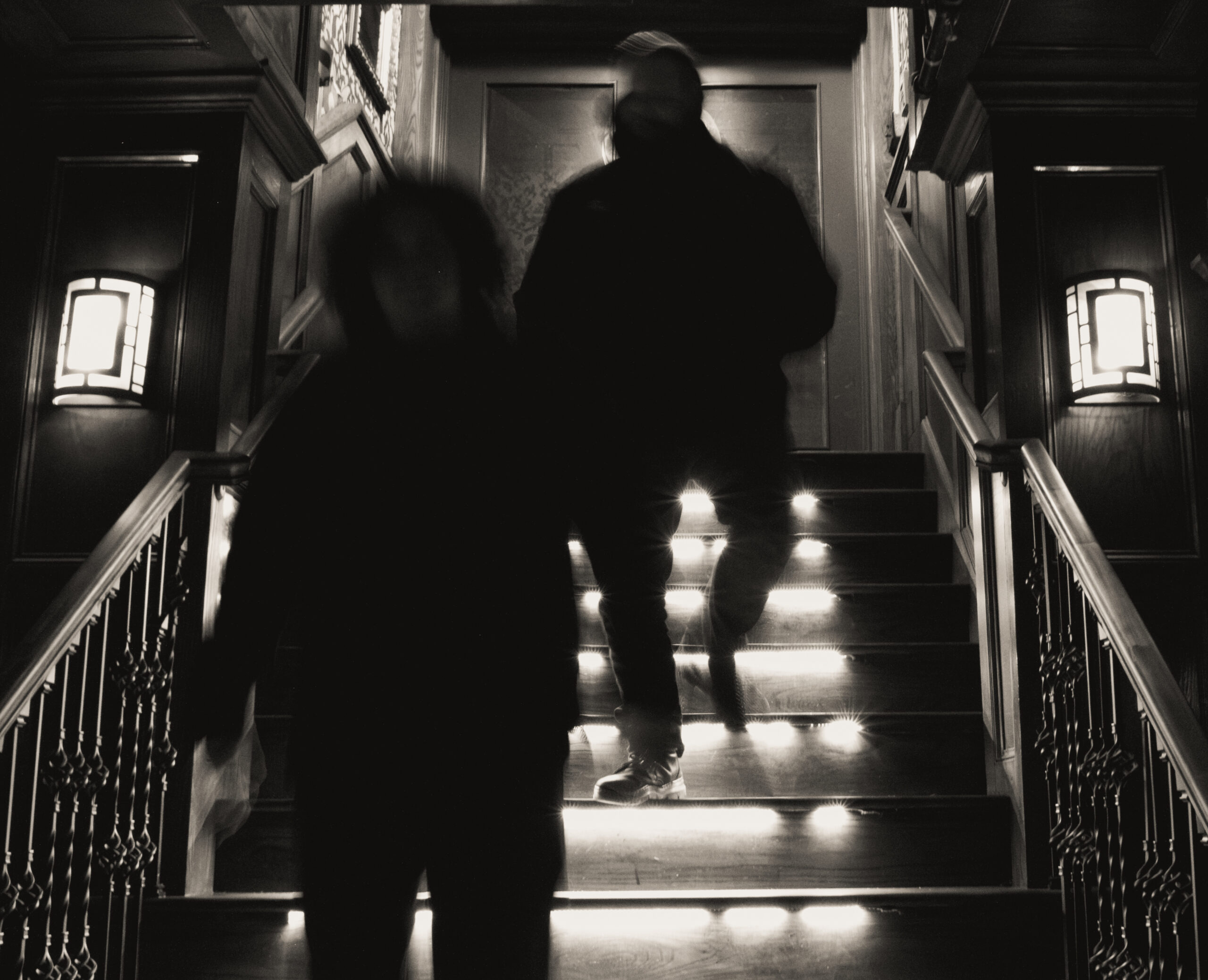
When the night wrapped up, the comics drifted back outside nearly the same way they began: smoking, laughing, and either cringing at their set or quietly proud of how it went. An actual “after-party” only happened once while I was there — at the Olneyville New York System hot dog joint. Many slipped out quickly after their post-show cigarette burned out.
As an observer, I was learning a lot, and for us non-performers, I’d urge you to check out this local scene for yourself. Comedy teaches you how to tell a story with intention, how to pace a punchline so it lands in the most unexpected but impactful way, how to read a room, how to take a risk, how to bomb and try again, and ultimately, how to make people care enough to keep listening.